
Embodied Wisdom:
NOURISH.
Tidbits & Takeaways
PSWD: Qe&O1FQ6
Practices
A simple way to understand and support your body during perimenopause and menopause: Stabilize • Satisfy • Soothe
❋STABILIZE
Create a Sense of Steadiness
When your body feels steady,
your energy, mood, and cravings become easier to manage.
This is where we begin.
A simple routine to support your body:
• 30g protein in the morning
• 30 minutes of gentle movement
• 30-second pause before reacting
Reflection:
How do I know when my body feels steady?
Action:
One small shift I’m ready to try this week:
❋ SATISFY
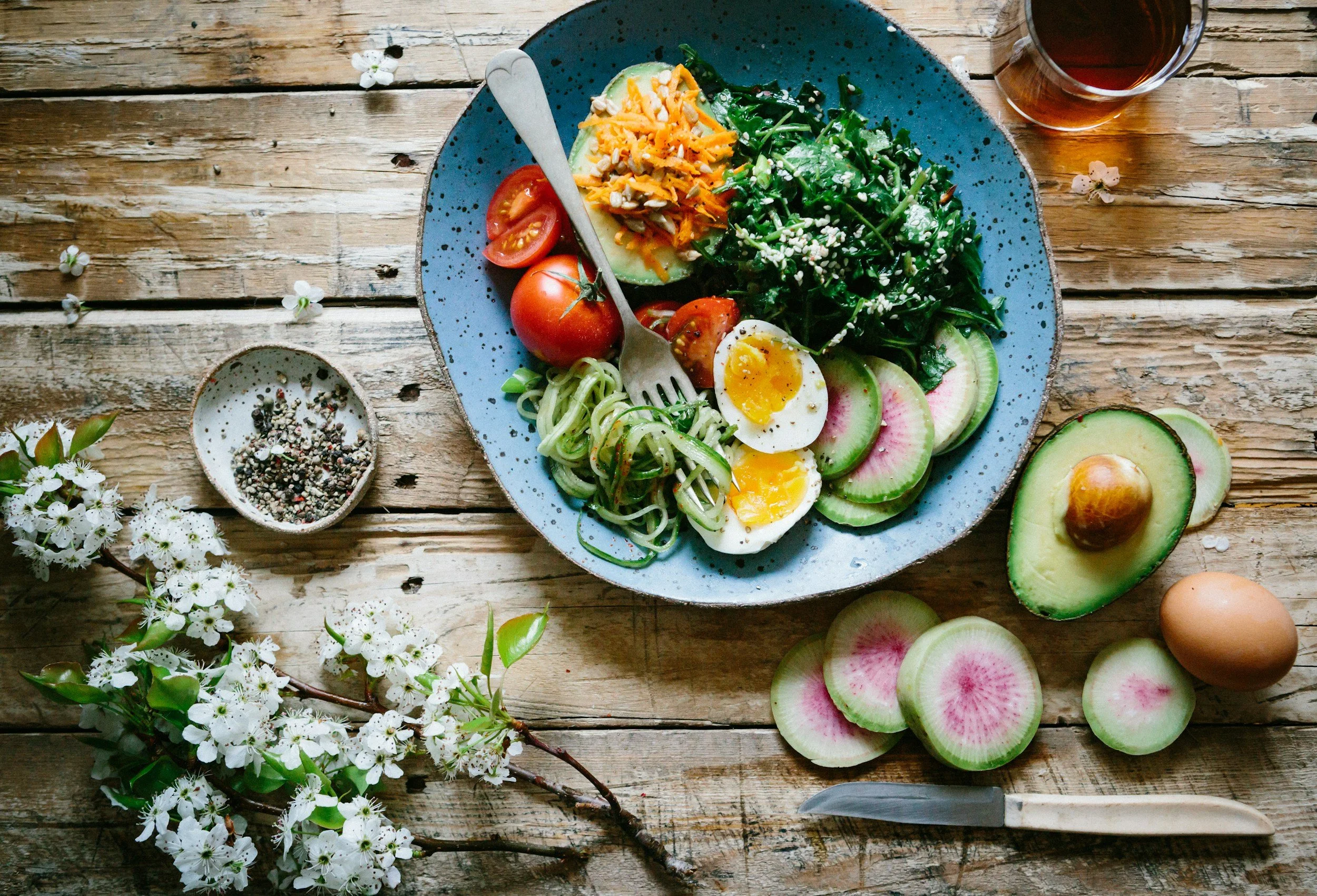
Build Meals That Actually Support You
You can eat “healthy” and still feel unsatisfied.
When your meals are balanced,
your body feels more settled and less reactive.
A simple way to build your meals:
• Protein
• Plants (fiber-rich foods)
• Healthy fats
Reflection:
Which part of this is often missing in my meals?
Awareness Cue:
Am I eating in a way that supports me… or just getting through the day?
❋ SOOTHE
Pause Before You React
Not all cravings are about food.
Sometimes your body is asking for a break, a reset, or a moment to breathe.
Before reaching for food, try:
• Pause for 30 seconds
• Take a few slow breaths
• Change your environment
• Drink water
Then decide what you need.
Reflection:
What might I actually need in this moment?
Your body is asking for a different kind of support.
And what if…. Instead of fighting it…. You started listening to it?
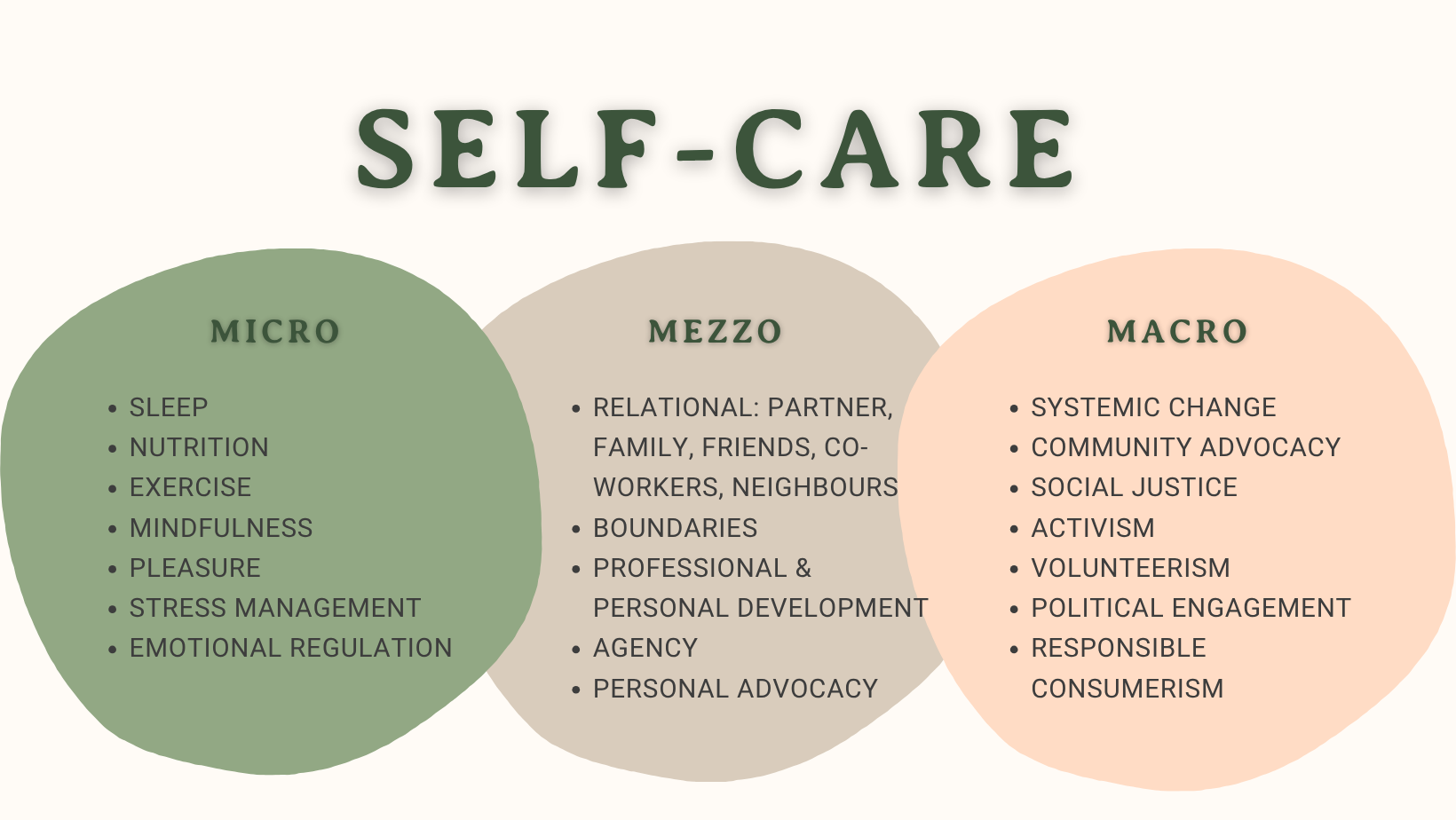
Self-Care as an Act of Revolution
The Missing Ingredient in Self-Care | Portia Jackson-Preston (TEDTalk)
REAL Self-Care by Pooja Lakshmin, MD (book)
REAL Self-Care: Burnout is Not Your Fault & the Way Out w. Pooja Lakshmin, MD (We Can Do Hard Things podcast on Spotify)
7 Self-Care Strategies for Dismantling the Patriarchy (Essay by Jo Linden)
ESSENTIAL RESOURCES
Journal Prompts
What does nourishment mean to me?
In addition to food, what else nourishes me that I am not getting enough of?
What is my relationship between nutrition and self-care?
Apps, Books, Pods & Videos
Menopause is The Threshold of Belonging An Interview with Aabha on the What No One Tells Women Podcast (YouTube)
EFT Tapping Resources(YouTube)
Dr. Lisa Mosconi: Nutrition & Brain Health During Menopause (YouTube)
Aabha’s presentation slides (PDF)
More Resources
Plan to Eat (Andrea’s meal planning app)
Good Protein (Aabha’s pick)
Flourish Protein Pancakes (Kati’s rec: add Greek yogurt or cottage cheese to up the protein content!)
PSWD: Qe&O1FQ6

Featured Facilitator:
Aabha Gupta
RHN, EFT Practitioner
Originally from India and now based in British Columbia, Aabha Gupta blends her education in Holistic Nutrition and Emotional Freedom Techniques with intuitive, science-backed wisdom to support women through the transitions of perimenopause and menopause. After her own experience of navigating hormonal shifts and rebuilding health, identity, and purpose in midlife, she founded Claim Vitality to help women feel seen, heard, supported, and empowered in their changing bodies.
Rooted in the belief that thriving even after midlife is every woman’s right, not a privilege, Aabha offers 1:1 coaching, group programs, and workshops that weave nutrition, nervous-system regulation, and emotional healing. Her approach invites women to reconnect with their body’s wisdom and experience midlife as a season of renewal and possibility.
Sources
Baroi, O., Shimul, M. M. H., Mare-Cha, & Khandker, S. (2025). Dietary patterns and depressive symptoms among menopausal women. Clinical Nutrition Open Science, 5, 100-115. https://doi.org/10.1016/j.nutos.2025.04.007
DeMarchis, J., Friedman, L., & Eyrich Garg, K. (2022). An ethical responsibility to instill, cultivate, and reinforce self-care skills. Journal of Social Work Education, 58(2), 308–316. https://doi.org/10.1080/10437797.2021.1895932
Harak, S. S., Shelke, S. P., Mali, D. R., & Thakkar, A. A. (2025). Navigating nutrition through the decades: Tailoring dietary strategies to women’s life stages. Nutrition. https://doi.org/10.1016/j.nut.2025.112736
Zhang, Z., Hu, Y., Cui, X., Lu, M., Zhang, M., & Li, C. (2024). Menopausal age and cardiovascular disease risk in American women: Evidence from the National Health and Nutrition Examination Survey. Climacteric, 27(2), 159–164. https://doi.org/10.1080/13697137.2023.2273526